Hope for the Withered Church
The other morning, I woke up thinking about The Grapes of Wrath.
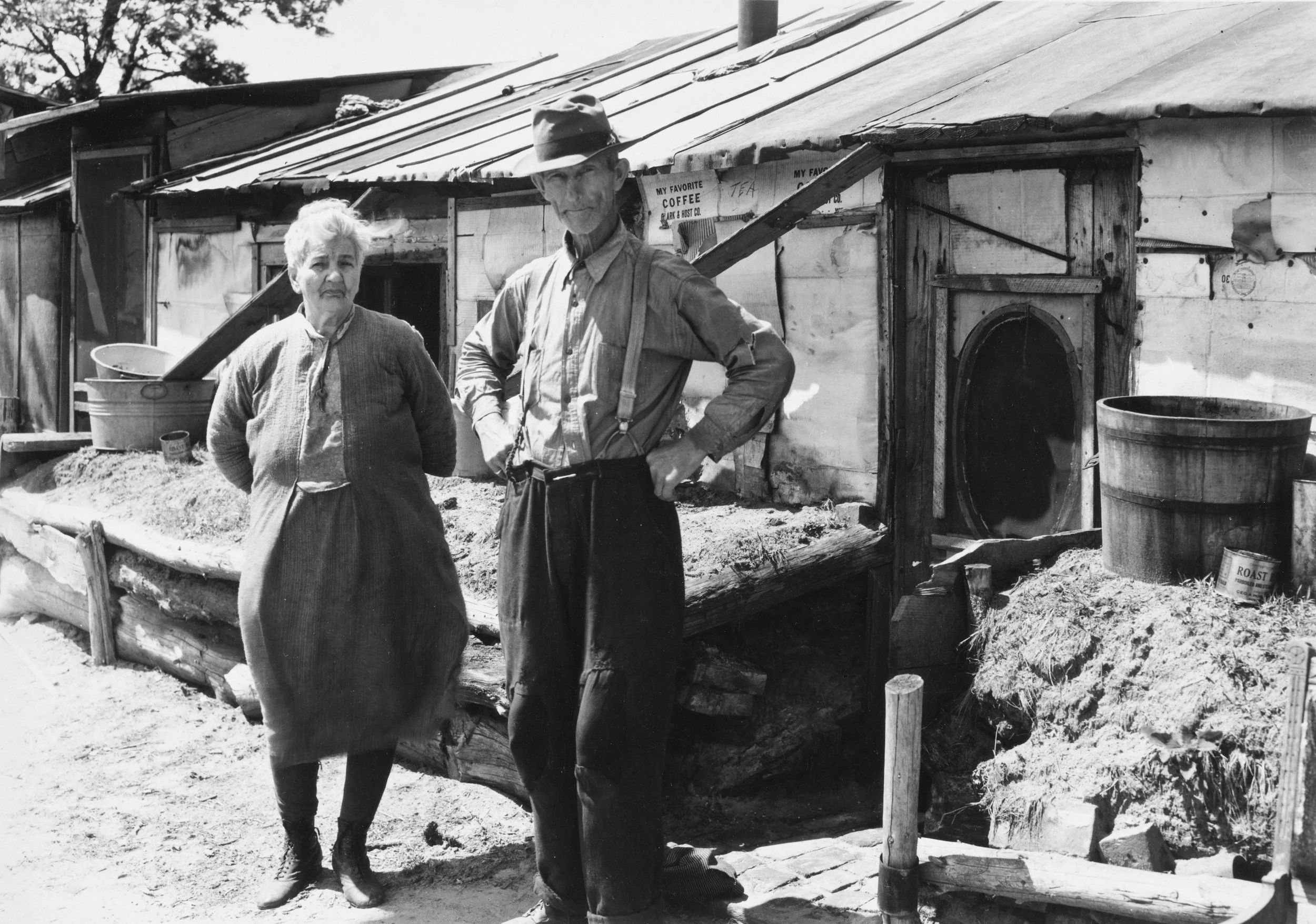
I can still remember where I first read it in AP English, sitting on the industrial carpet. I was tucked in between the glossy white cinder blocks and the chrome legs of the standard-issue desks. We were allowed to spread out around the classroom for independent reading, and when I was seventeen, Steinbeck was expanding my literary sensibilities, too.
I remember scenes of oranges burning in ditches during the Great Depression, the gritty bleakness of the Joad family, cramped in the back of the truck on the way to California. I don’t remember much of the family members who died or left along the way, terrible clashes between laborers and that state, or tragedy after tragedy that a quick Google search can remind you of. I do, however, remember how horrified I was when Rose of Sharon’s baby, the hope that had stretched through most of the 460+ pages, was stillborn.
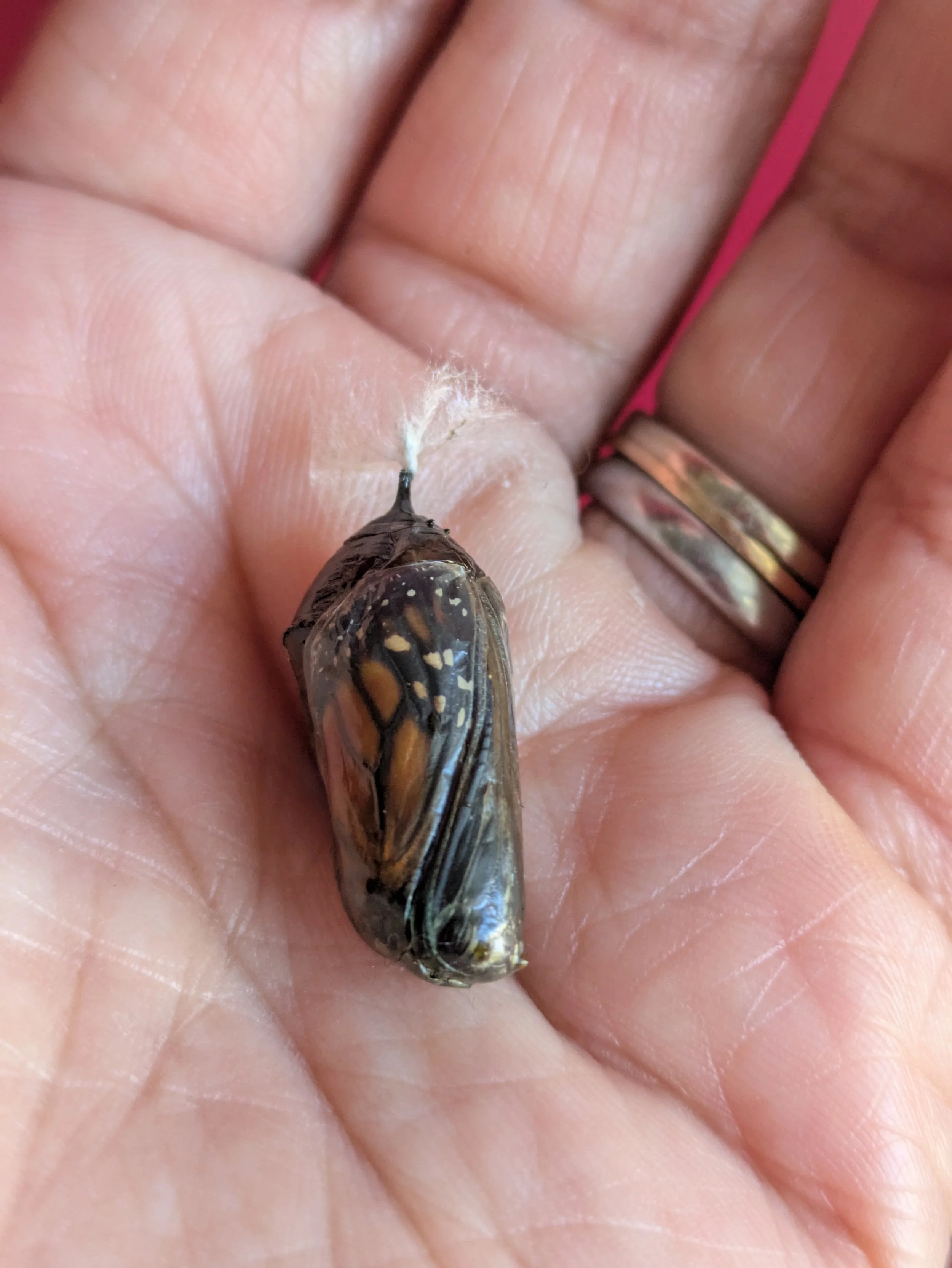
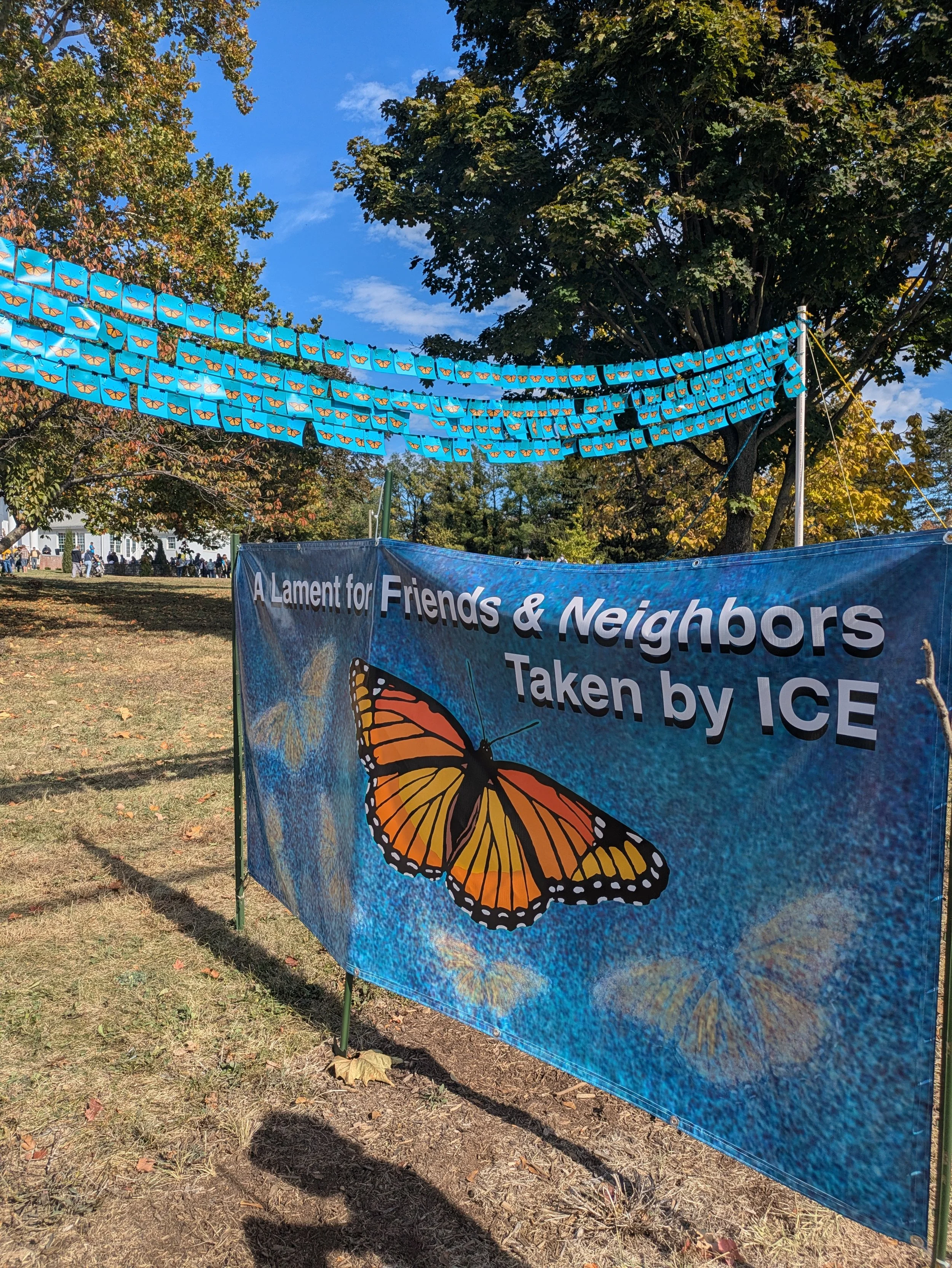
I felt similar grief this fall when a chrysalis we had watched for weeks failed to open. Everything seemed on track for an emergence. We could see the fully-formed wings inside of the translucent case, but the butterfly never broke through it. It was the same time as the monarch butterfly was becoming more iconic of immigrant support and the validity of migration. Butterflies flapped in the wind outside of the church where we marched in support of our neighbors. This dry husk seemed to be a metaphor, and I wrestled with it for days.
What eventually emerged was this poem about the wayward Way turned war-worshippers:
To The Angel of the Church in America
“Monarchs with severe OE infections can fail
to emerge successfully from their pupal stage,
either because they become stuck,
or they are too weak to fully expand their wings.”
- On Monarch Disease, Monarch Joint Venture
For weeks, we waited for the green satin
circled by a gold crown to crack open into
beauty. We held our breaths when we caught
glimpses of fully-formed wings.
We waited
We waited
We waited
We read, “When dormant spores are scattered
onto eggs or milkweed leaves by infected adults,
monarch larvae consume the spores, and these
parasites then replicate inside…”
The One who has the seven spirits of God and the seven stars says
The Amen, the faithful and true Witness, the Originator of God’s creation says
You have swallowed the strange and bitter crop
Blood on the leaves and blood at the root
The stars and stripes burn the whole
way
down
What you’ve harbored for hundreds
of years suffocates resurrection
that could have blazed like tongues of fire
above the asters.
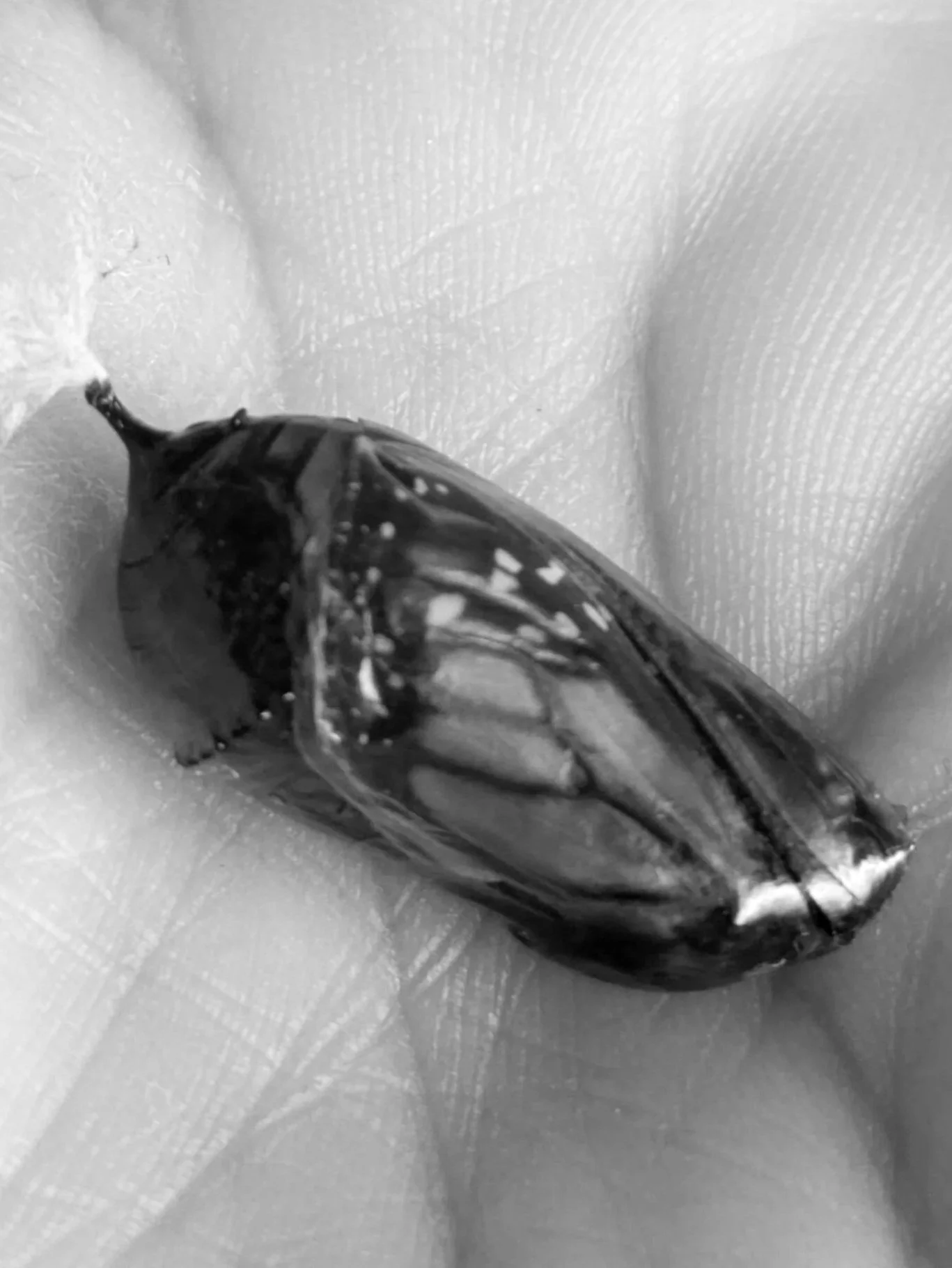
We are called to be the Body of Christ, we who consider ourselves part of the family of God. Lately, I have been feeling like this Body is limp, the once shining promise of new life or new flight failing to come.
A theologian whose name I can’t remember now recently said she couldn’t decide if the church needed a death doula or a midwife, if our institutions are dying or being born.
Which is why I think I woke up thinking about the final scene of Grapes of Wrath, when I haven’t for years.

“For a minute Rose of Sharon sat still in the whispering barn. Then she hoisted her tired body up and drew the comfort around her. She moved slowly to the corner and stood looking down at the wasted face, into the wide, frightened eyes. Then slowly she lay down beside him. He shook his head slowly from side to side. Rose of Sharon loosened one side of the blanket and bared her breast. “You got to,” she said. She squirmed closer and pulled his head close. “There!” she said. “There.” Her hand moved behind his head and supported it. Her fingers moved gently in his hair. She looked up and across the barn, and her lips came together and smiled mysteriously.”
You could hear across the classroom when kids got to the last paragraph. Exclamations of disgust, uncomfortable laughter, and strong confusion rippled through a bunch of small town teenagers. I remember feeling strangely moved, and we had a good teacher that moved us to consider what it meant for a young mom with a dead infant to breastfeed a starving old man.
It wasn’t until I was an adult that I considered the Biblical echoes of Rose of Sharon giving of herself after a flood. What a horrible, beautiful new beginning. What a strange scene of Madonna and child of God.
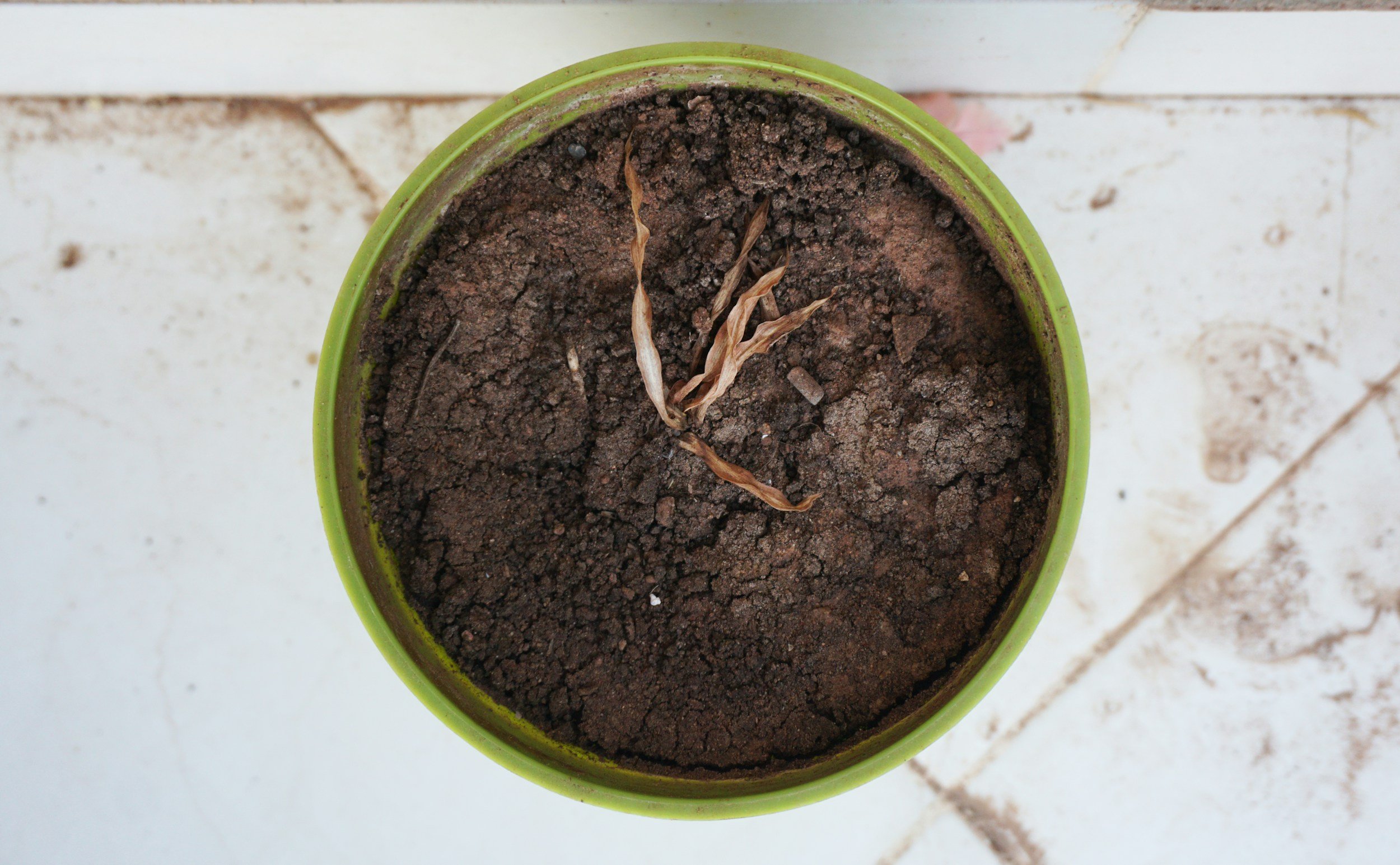
It can feel now in this cultural moment that part of the Body of Christ is the baby who was meant to bring great joy but did not see the light. It can feel our potential for dynamic movement has been thwarted by parasitic politics of death and greed. It can seem like church in our time and place is a decrepit starving collection of skin and bones that like it or not, is what we have left in this time of wrath.
The Body is somehow still alive. Miraculously, this happened before— at the turning point of history with Mary’s participation:
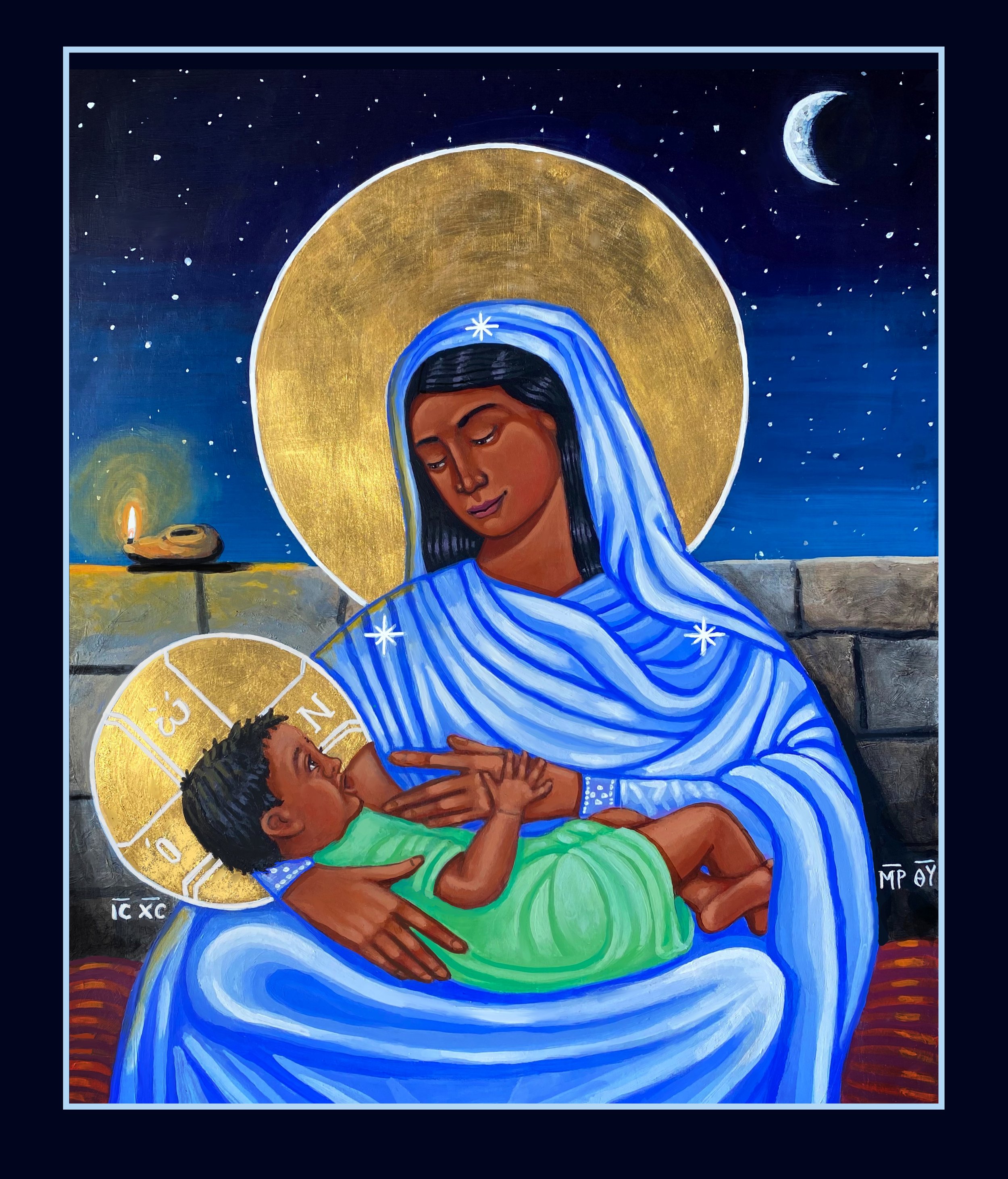
Kelly Latimore created this icon of Mary nursing Jesus. His commentary is as beautiful as the striking image:
“Referred to in the Latin as “Maria Lactans” or “Madonna del Latte”, in the Orthodox Church called “Galaktotrophousa”, Greek for “the milk giver…”
Ask anybody what the primary Christian symbol is, and they will most likely say the crucifixion. However, in the early Church it was the lactating Mary, that was the major symbol of God’s love for humanity. In fact, the oldest known image of Mary is from a second Century fresco in a Roman catacomb that shows the infant Jesus “suckling at her exposed breast.”
In the following centuries many iconographers created various versions of the image. By the Middle Ages, the image became very popular. “Lactation Miracles” and “Milk shrines” popped up around the Christian world.
However, during the rise of Protestantism that encouraged a focus on scripture and discouraged the use of images, along with the dawn of movable type and new medical and sexual understandings of the body, a cultural shift was so great that many, even in the Catholic Church, soon came to see the breastfeeding Mary as an “inappropriate” sacred image.
Yet, I think this symbol of Mary nursing Jesus is one of the most beautiful forgotten images of the Advent season and of the incarnation. As Margaret Miles says, “I think there should be a plethora of symbols of God’s love for humanity. Can there be only one way to talk about so great a mystery? No, there can’t.”
Like in the time of Jesus’ birth, in the time of Grapes of Wrath, we are living in a time of ecological fragility, national upheaval, unsettled movement, family trauma and economic hardships. Life is fragile and the Body is starved and weak. Who will stand in for our Rose of Sharon, our Mother Mary?
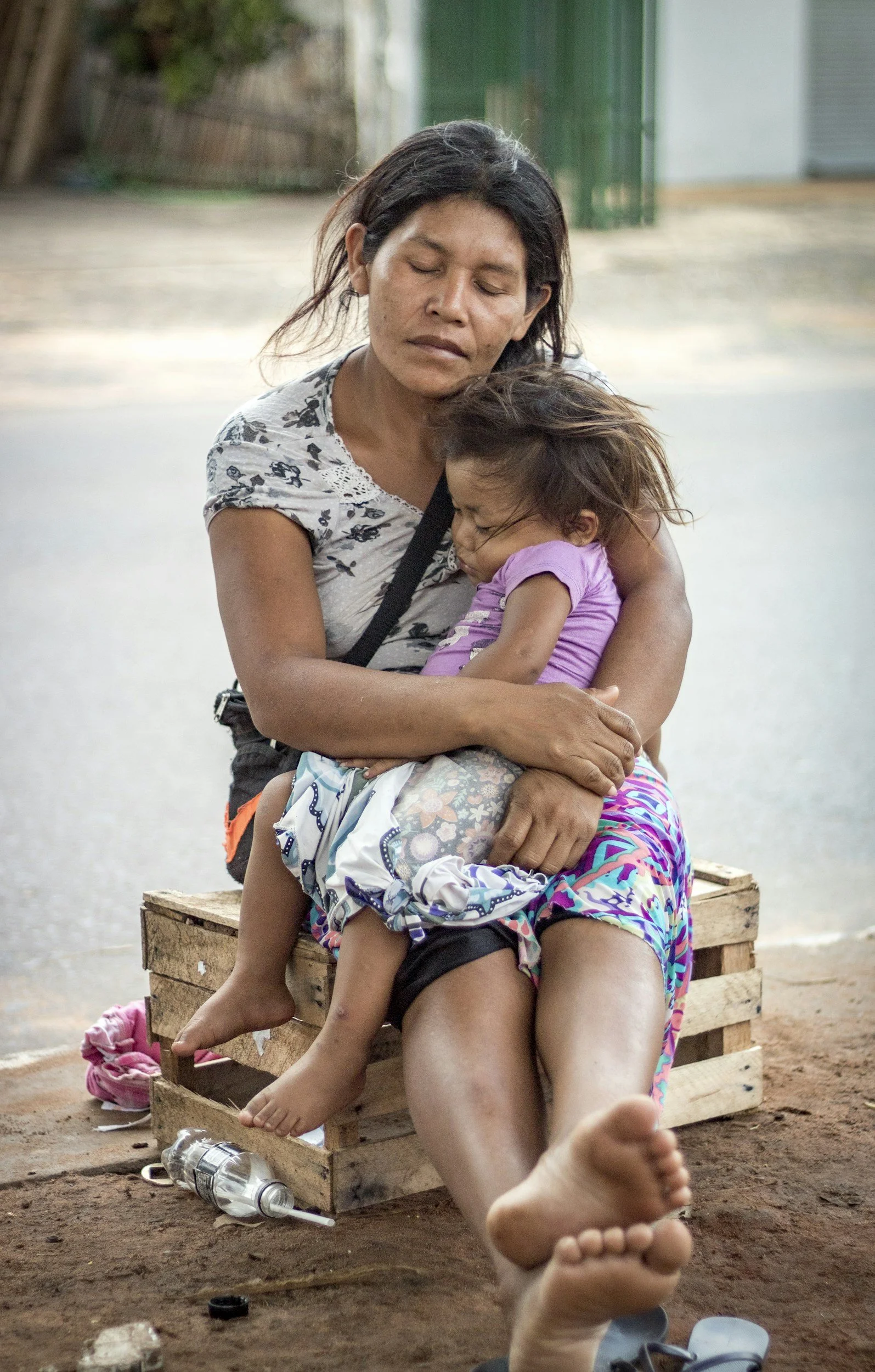
I will argue that if the church is to survive, it will be if it is sustained by women on the margins, women who say to God, “I am the Lord’s servant. May your word to me be fulfilled.”
I believe it will be women, pouring out their lives over full laps, crowded in truck beds and hidden in backwoods who will sing”
My soul glorifies the Lord
and my spirit rejoices in God my Savior,
for he has been mindful
of the humble state of his servant…
He has brought down rulers from their thrones
but has lifted up the humble.

We will survive past this season of upheaval, I believe, if we begin to listen to, learn from survivors, in Scripture (Tamar, Mahlah, Joanna, Jochebed, Rizpah…) and in our cities (our undocumented neighbor, the teacher’s assistant getting paid hardly enough to parent four kids, the person who is nonverbal, our children who lived through another lockdown drill).
I’ll end with some passages from Abuelita Faith by Kat Armas. The whole book expands on my assertion much more eloquently than I:
“The more time I spend around the women the world overlooks, women who bear the scars of colonization, the more I recognize that they understand something the rest of us don't. Their remarkably intimate relationship with the Brown Jesus of los humildes is the kind of connection many of us with differing levels of privilege long for…what if the world’s greatest theologians are those whom the world wouldn’t consider theologians at all?… Perhaps God wants God’s people to be open to surprises— to allow la Espiritu Santa to lead the church in looking for God’s activity— through unexpected people and unexpected places… I’ve found that God often works this way: shaming power by using those least expected, those whom the world might deem weak or insignificant.
This week, this season, where are you seeing and lamenting the ways the promise of the church, particularly in America, has not grown into its redemptive potential? Where have you seen signs of ugly-beautiful survival of what remains of the Body of Christ. Who are the mothers, the women on the margins who are still giving their blood for the nourishment of what could still be saved, still grow strong and healthy once again?