Ethical Target Practice- Repentance in an Age of Social Media
I almost scanned a family member’s Facebook page today. I was tempted at least three times. I searched a mutual friend who also espouses harmful theology and politics to see if this person’s name was in the comments. I hovered over the search bar, ready for the dopamine hit of seeing “new post” next to the name. I have been imagining this person’s take on the latest horror of this newly minted year, the horrific and very public shooting of another poet, another mom like me who was witnessing the violence of the state against her neighbors. I was itching to see if there was finally confirmation that this person wasn’t a safe person with whom to relate.

The last time I gave into temptation in this way, I was gently rebuked and invited into introspection by a therapist, incidentally named Mercy.
It was after I had taken the first sip of righteous indignation while I read a ridiculous comment on a contentious post. I proceeded to throw back screen after screen of the grossest takes I had previously vowed not to read. The death of a young right-wing “martyr” had made me forget all of my convictions that it was better to not know what my family member was sharing with the digital world.
Unsurprisingly, I was ready for estrangement, furious and ill, tired and sad, but with no more power to change this person and far less love.
It was the decision to break my own boundaries that Mercy invited me to explore. The reasons took shape in our time together, and could be an entire post on its own. It was good and hard work. However, the most valuable moment came when she asked me to reframe my self-made rules:
“Instead of a good choice or a bad choice, what if you looked at your decisions as moving you closer or farther to your values, to your intended goals? Good or bad can be easily redefined or twisted into unhealthy adherence.”
And, we talked about, in terms of addictive or impulsive behaviors, “good” or “bad” labels are a slippery slope. If I’m already bad because I looked at one comment, I might as well jump all the way into every unflattering sentence shared since Facebook debuted.
If I am short with a child, I may as well just let a whole tirade spill. If I don’t make a bad choice, I can allow myself self-satisfaction, at least for today. Or move the line for good. Or insist my choice is valid, a natural consequence of boorish behavior by those who say they want the best for me and my family.

(Dear reader, please don’t send me emails about the lack of moral truth or arguing that there is objective good and evil. Hear me out, first!)Turns out, the concept of closer or farther has been far more transformative in my life, and I would argue, is more like invitation to be a part of the Kingdom of God.
A much better digital deep dive than a loved one’s AI Bible verse video is this episode of “The Amazing Jonah: Thrones and Ashes” from the folks at The Bible Project. You can listen to it or download the transcript if you prefer reading. I don’t have nearly the same Bible training as Tim Mackie (or many of you reading these words!), so I’ll do my best to distill his expertise and see if I can weave in my wisdom.
Looking at Jonah 4, Mackie says this:
“Look at Verse 8… “Let them turn from their evil ways.” And the Hebrew word that’s used here, it’s super common in the prophets especially, is this Hebrew word, shoov…If you see it spelled, it looks like, Shev... But it’s actually pronounced shoov. So shoov literally is just the image from walking. And so you’re going a certain way and a judgment is rendered that you are going the wrong way. And so that reaches you, and you’re like, oh, serious. Wow. Or maybe you knew that it was the wrong way and you want to go that way. Anyway, whatever. One way or another, it pointed out to you, like, “Dude, that’s the wrong way.” ... The prophets picked up this word and turned it into this powerful metaphor for how we relate to God. It’s developed all this metaphor that we’re all on a journey, life is like a journey. And so we go down certain roads in life and the prophet’s job is to speak God’s words to His people and to say, “Dude, that’s the wrong way. That way doesn’t lead to life, that way leads to ruin for yourself and for others, and you need to shoov.” And the right response to that judgment rendered on your decision is like, “Oh, okay. Yes.” There we go. Shoov. And you turn. So that’s what he’s calling the people to do. So it’s again, one of these things they they believe God, check. How do you know they believe God? Because he’s calling on them to not just believe something about God, but to actually change and go a different direction.”
Or, as Jesus puts it in Matthew 4:17: “Repent of your sins and turn to God, for the Kingdom of Heaven is near” (NLT).

The invitation of God is to hear a judgement, to change, to go a different direction. The invitation of God is to turn away from ways of destruction, disconnection, death and to turn toward God and the ways of the Kingdom embodied by Jesus our Brother.
The first followers of Jesus said they were followers of The Way. Following this way became and can become our center of values, our ethos, our intended goal.
I have made a commitment to try and remain in relationship with the loved one I mentioned above, out of obedience to God, “who reconciled us to himself through Christ and gave us the ministry of reconciliation: that God was reconciling the world to himself in Christ, not counting people’s sins against them” (2 Corinthians 5: 18-19).
There could very well be some good in confronting someone’s misguided opinions. I can easily justify that my confrontation is not as bad as his or her public mis-witness. The choice, however, would draw me off the path I’m trying to walk with Jesus, move me farther from the target of a whole family that experiences redemption forward and backward in generations.

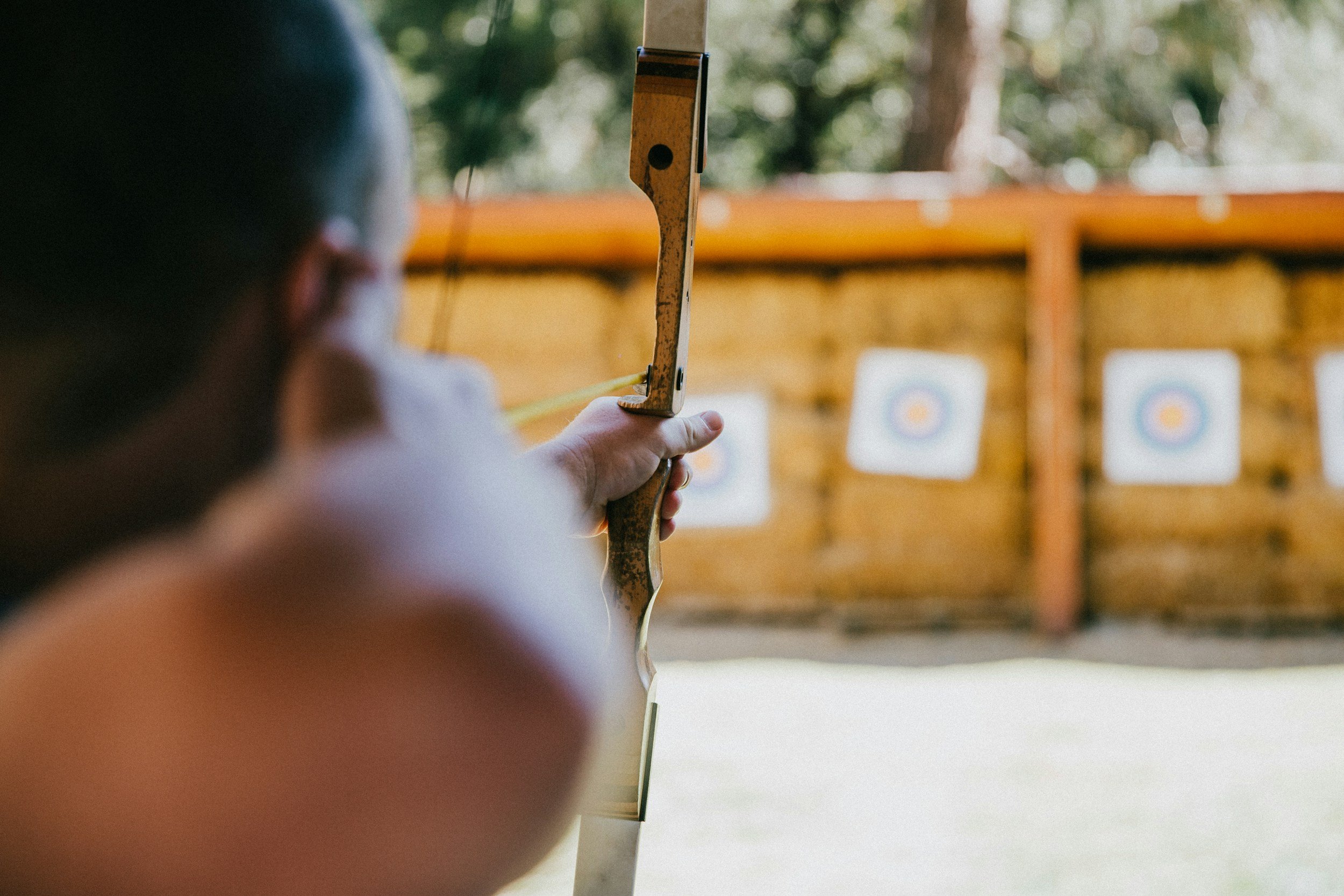
I would invite us as a community, us as individuals, to increase our comfort with this kind of target practice, this kind of discerning.
It requires us to do several things in turn:
We have to pause long enough before acting/speaking/moving to ask the questions of closer or farther.
We have to get to know and be able to articulate what our values and goals are. Which, for the sake of Christian formation and community discipleship should be to grow in Christ-likeness, to be witnesses to a burning world of the Shalom God intended/intends, and to make disciples of all nations (a la Matthew 28’s commission). This takes time, study, community conversation and space to listen to the Holy Spirit.
We have to be honest about whether our words, decisions, consumptions, relationships, practices, policies, and schedules move us closer or farther to what God values and we hope to embody, even if they are technically allowed or even warranted.
While reflection is a good and necessary work as an individual, it is difficult to do alone, like a person trying to uncover a dinosaur skeleton from the dust with a single paintbrush (can you tell a current hyper-fixation of one of our children at our house?!).
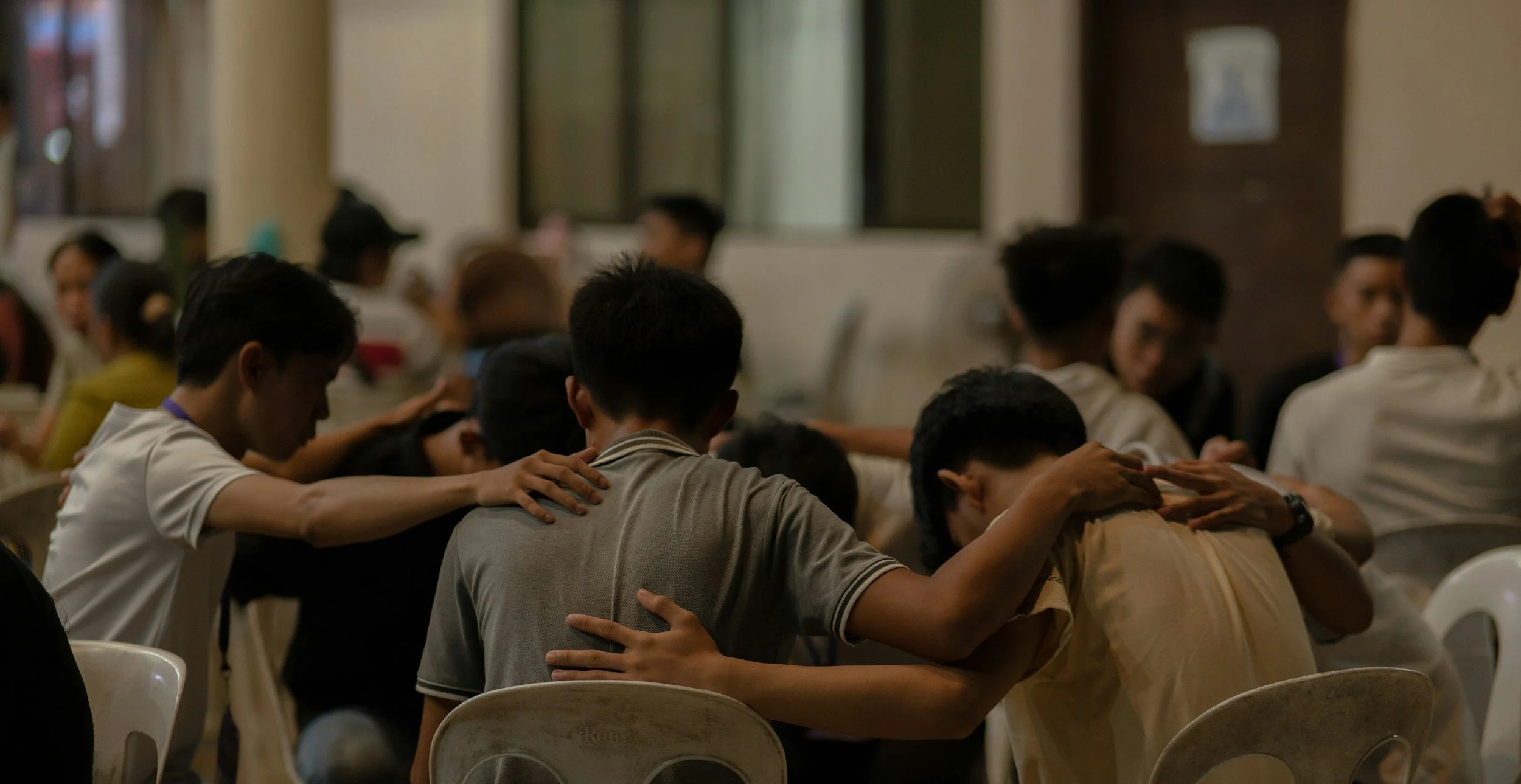
May our work as a community be in part steadying the hands of each other as we aim for the targets of our goals, our values, our identity as God’s witnesses. May we also work together and with God’s Spirit to bring into focus what we’re even aiming at, whether that’s in the world of pixels, pews, or political advocacy. May this be a year, even amidst horrors old and new, that we make choices that align with who and what we were meant to be.